
When a Rooftop Tent Makes More Sense Than a Camper Van
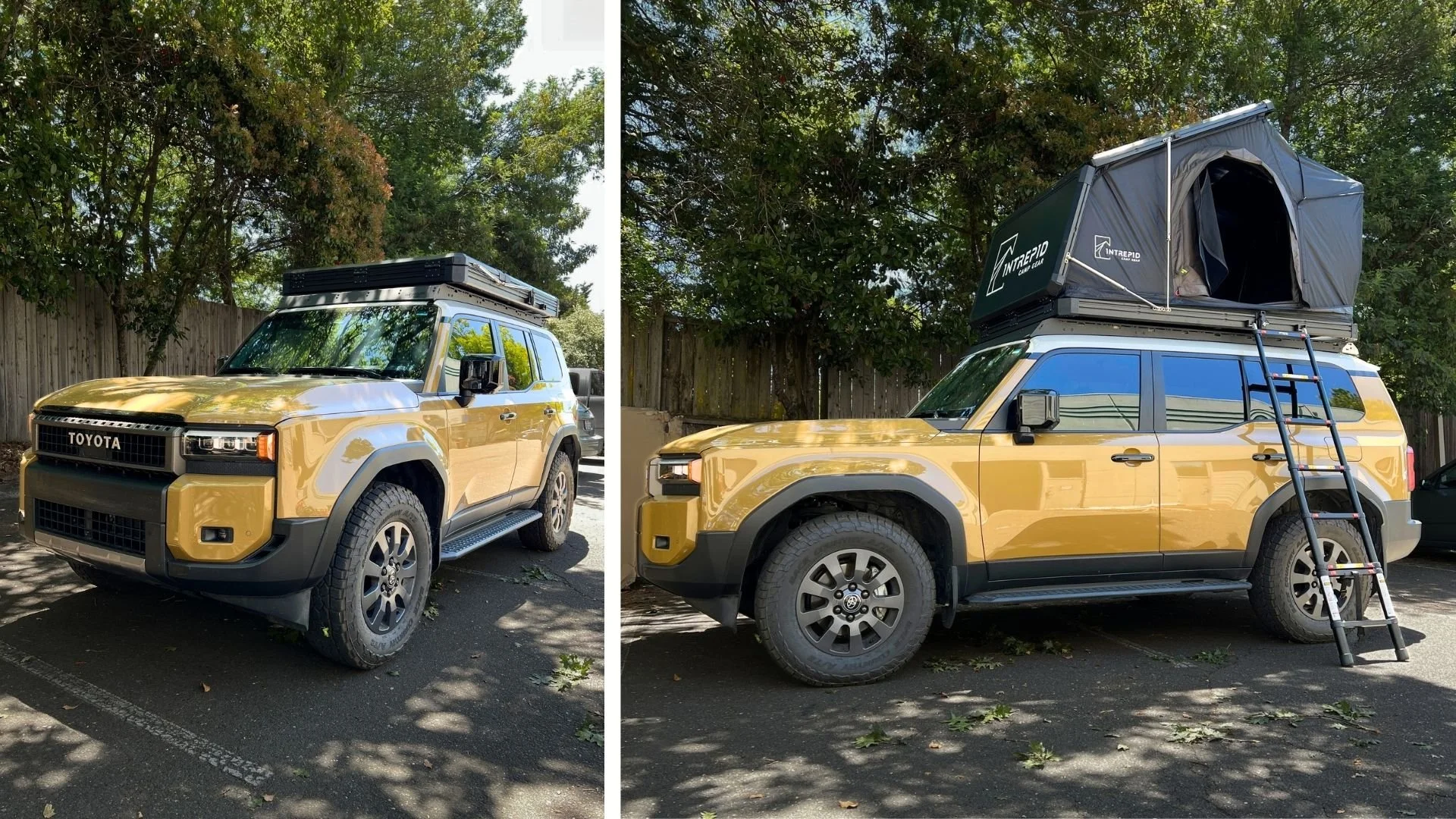
We Build Camper Vans. So Why Do We Also Sell Rooftop Tents?
We build camper vans. That's what GTRV has done since 1994, and it's what we do best. But over the years, we've noticed something while helping people figure out what they need.
A lot of people reach out before they've figured out exactly what they need or even what the options are. They’ve done their research, and after talking it through with them they realize a full build isn't the right fit. Maybe the terrain they want to cover calls for something with more backcountry capability than a full-size van. Maybe they won't camp often enough to justify a dedicated vehicle sitting in the driveway between trips. Maybe they just need less space than they thought.
For a long time, we didn't have a great answer for those folks. We could suggest they keep researching, point them to some additional resources (like our blog), and tell them to contact us again when they are ready.
But that never felt quite right. These were people who wanted to camp more. They just needed something slightly different than a campervan.
That's why we started carrying Intrepid Camp Gear rooftop tents.
What a Rooftop Tent Actually Gives You
All Intrepid rooftop tents bolt to the roof rack on your existing vehicle. When it's closed, it sits about seven inches tall on your roof (depending on roof rack model). When it’s popped open, you've got a full sleeping platform with a mattress, ventilation, and enough headroom to sit up comfortably. Setup takes about a minute. Teardown takes about the same.
You keep your daily driver. This is the part people underestimate. With a rooftop tent, your Tacoma or 4Runner or Subaru is still your regular vehicle on Monday morning. You're not buying a second vehicle. You're not rearranging your parking situation. You're adding a camping capability to something you already own and use.
The entry cost is in another category. An Intrepid rooftop tent runs between $2,900 and $4,400 depending on size and features. Installation is in addition to that. Compare that to a full van conversion, and you're looking at a fraction of the investment. For someone who camps four or five weekends a year, it could be a better solution than for someone planning extended road trips.
What a Rooftop Tent Doesn't Give You
For the right person, a rooftop tent is a great solution. But there are tradeoffs worth understanding before you buy. Here are a few to consider.
No indoor living space. A rooftop tent is a sleeping platform. There's no kitchen area, no table, no place to hang out other than the tent itself. If you want to cook, you're setting up outside, rain or shine.
No plumbing, no electrical system, no climate control (unless you add the Pro model's heater port and buy a separate diesel heater). A camper van conversion gives you a self-contained space. A rooftop tent gives you a bed on your roof.
You're climbing a ladder. Every time you get in or out. In the middle of the night, in the rain, in the cold. This is fine for most people, but it's worth thinking about if that works for you. If mobility is a factor in your decision, it's a real consideration.
Weather limits. Hardshell tents are solid in three-season use and can handle cold weather with preparation. The tents aren't insulated out of the box, but Intrepid makes a quilted insulation liner (the Insulation Skin) that fits inside the GEO series tents and extends them into colder conditions. The Pro models also include a port for a diesel heater. Between those two accessories, you can push the comfortable range a lot further than the base tent alone.
Why Intrepid
We looked at a lot of rooftop tents before deciding what to carry. Intrepid stood out because the engineering holds up and it meets our standards. The GEO series uses honeycomb aluminum composite construction, sets up in about a minute, and comes with a 3-year warranty. The tent closes to about seven inches, which means it doesn't dramatically change your vehicle's profile or garage clearance.
Intrepid is on the higher end of the price range for rooftop tents, but we believe the higher quality, features, and outstanding customer service makes it worth it.
Becoming a dealer means we have access to the full Intrepid product line: every tent in the GEO series, plus their aluminum cargo cases and accessories. We're currently the only authorized Intrepid dealer in Northern California. Check out our Intrepid page for full details.
And because we're a full service shop, buying through GTRV means the tent, the roof rack assessment, and the mounting are all handled in one place.
Installation is Important!
Many rooftop tent buyers install the tent themselves with a few friends, but there are challenges. Rooftop tents are large and heavy and depending on the type of roof rack your vehicle has, it could be tough to secure.
Your rack system has to be rated for the weight. The GEO series ranges from about 165 to 187 pounds depending on the model. Your crossbars need to be rated for that weight plus the forces of driving on rough roads, and a lot of factory roof racks don't meet that threshold. If your rack isn't rated for the load, the tent shouldn't go up there.
Crossbar spacing and rack compatibility matter. Not every roof rack setup works with every tent model. The spacing between your crossbars, the style of rack you're running, and how it interfaces with the mounting hardware all affect whether the install goes smoothly. This is the part that trips up most DIY installers, and it's where having a shop assess the full setup before you buy saves time and headaches.
If you need a rack upgrade, we can handle that too. A lot of people find out their factory crossbars aren't sufficient after they've already bought the tent. We can recommend and install the right rack system for your vehicle as part of the same visit.
GTRV is an authorized Intrepid dealer and professional installer. When you buy through us, the assessment, the mounting, and any necessary roof rack adjustments can be handled by our team of professional technicians.
How to Think About the Decision
If you're comparing a rooftop tent and a camper van conversion, the starting point is talking it through. How often will you actually be camping? For how long? And what will you need while you're out there?
A rooftop tent works well for shorter trips and installs onto the vehicle you already own. A camper van is for people who want a self-contained space with a kitchen, storage, and the ability to be out for longer stretches.
If you're not sure which you need, that's fine. A rooftop tent now doesn't close the door on a van later. Some of our customers have both. Our First-Time Buyer's Guide is a good place to start if you want to learn more about our campervan conversions.
Reach Out
Not everyone needs a van conversion, and that’s a perfectly good place to start a conversation too.
Whether you’re thinking about a rooftop tent, a full build, or just trying to figure out what makes sense for how you camp, we’re happy to help.
Most of these conversations start with the basics: how do you want to use your van? What makes sense for the way you actually travel? From there, we can start working toward the design choices that fit your life.
Call us at 888-332-9602 or send us a message here
Stay in the loop
Our newsletter is where we share what we're learning, thinking about, and building at the shop. Platform insights, practical advice, and the kind of detail that tends to matter more over time.
No hype. No spam. Just useful perspective from people who do this every day.
Subscribe to the GTRV newsletter
If you're still in research mode, these are good next steps:
A First-Time Buyer's Guide to Camper Vans
